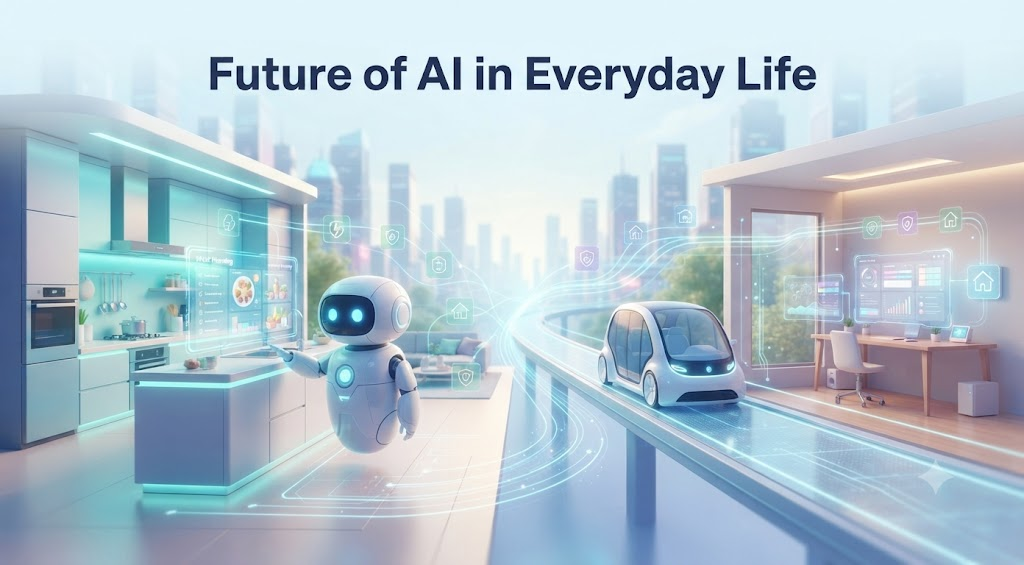
The Future of AI in Everyday Life: What Beginners Should Know
Artificial intelligence has moved from being a niche technology to an integral part of daily life. As we move further into 2026, AI continues to reshape how we communicate, work, shop, and even take care of our health. This article explores how AI is expected to evolve in the coming years and what these changes mean for everyday users, especially beginners trying to understand this rapidly advancing field.
AI Is Already Part of Your Daily Routine
Before looking ahead, it’s important to recognize how deeply AI is already embedded in our lives. From the moment you unlock your smartphone using facial recognition to receiving personalized recommendations while shopping online, AI operates quietly in the background of many everyday activities. As these systems continue to improve, their presence will become even more seamless and, in many cases, less noticeable to average users.
Emerging Trends Shaping the Future of AI
1. More Personalized Experiences
Artificial intelligence is expected to become increasingly personalized, adapting to individual preferences with greater accuracy. This means recommendation systems, virtual assistants, and even educational platforms will tailor their responses and suggestions based on a deeper understanding of individual user behavior and needs.
2. AI in Healthcare
Healthcare is one of the sectors expected to see significant AI-driven transformation. Future applications include earlier disease detection through advanced image analysis, personalized treatment plans based on genetic and lifestyle data, and AI-assisted virtual health consultations that make healthcare more accessible, especially in remote areas.
3. Smarter Virtual Assistants
Virtual assistants are evolving beyond simple voice commands. Future assistants are expected to handle more complex, multi-step tasks, such as managing entire schedules, coordinating with other smart devices, and providing more natural, conversational interactions that feel less robotic and more human-like.
4. AI in Education
Educational platforms are increasingly integrating AI to provide personalized learning experiences. This includes adaptive learning paths that adjust based on a student’s progress, AI tutors available for instant doubt-clearing, and automated grading systems that free up educators to focus more on teaching rather than administrative tasks.
5. Autonomous Systems and Transportation
Self-driving vehicles and AI-powered logistics systems are expected to become more prevalent, improving efficiency in transportation and reducing human error in driving-related accidents. While fully autonomous vehicles are still being refined for widespread public use, AI-assisted driving features are already becoming standard in many new vehicles.
6. AI in Creative Industries
Generative AI tools continue to expand their role in creative fields such as writing, music, and design. Future developments are expected to focus on enhancing collaboration between human creativity and AI assistance, rather than replacing human input entirely.
How AI Will Impact Everyday Tasks
As AI continues to advance, several everyday tasks are expected to become more automated and efficient:
- Shopping: AI will offer even more precise product recommendations and potentially predict purchases before users actively search for them.
- Home Management: Smart home devices powered by AI will better anticipate household needs, such as adjusting energy usage based on daily patterns.
- Communication: AI-powered translation tools will continue improving, making real-time multilingual communication more accurate and accessible.
- Financial Planning: AI-driven financial tools will offer more personalized budgeting advice and investment suggestions based on individual financial behavior.
Beginners interested in tracking these developments often turn to updated tech resources such as TechInGot, which regularly covers emerging AI trends in a beginner-friendly manner, making complex innovations easier to understand.
Ethical Considerations for the Future of AI
As AI becomes more integrated into daily life, ethical considerations continue to gain importance. Key concerns include:
Data Privacy: As AI systems rely heavily on personal data, ensuring this information is collected and used responsibly remains a significant challenge for developers and regulators alike.
Bias in AI Systems: AI models can inadvertently reflect biases present in their training data, leading to unfair outcomes in areas like hiring, lending, or law enforcement. Ongoing efforts focus on improving fairness and transparency in AI decision-making.
Job Displacement: While AI automates certain tasks, it also creates demand for new skill sets. Preparing for this shift involves focusing on skills that complement AI, such as critical thinking, creativity, and technical AI literacy.
Regulation and Governance: Governments worldwide are increasingly focusing on establishing clear regulations to ensure AI development aligns with ethical standards and public safety.
Preparing for an AI-Driven Future
For beginners, staying prepared for an AI-integrated future doesn’t require becoming a technical expert. Instead, consider these practical steps:
- Stay Informed: Regularly follow reliable technology news sources to understand how AI developments might impact your industry or daily life.
- Develop Complementary Skills: Focus on skills like problem-solving, communication, and adaptability, which remain valuable regardless of technological advancements.
- Experiment with AI Tools: Gain hands-on experience with beginner-friendly AI tools to better understand their practical applications and limitations.
- Understand Data Privacy Basics: Learn how to manage your personal data settings across apps and platforms that utilize AI.
- Engage in Continuous Learning: As AI evolves rapidly, maintaining a habit of continuous learning will help you stay adaptable in both personal and professional contexts.
The Balance Between Innovation and Caution
While the future of AI holds immense potential for improving efficiency and quality of life, it’s equally important to approach these advancements with a balanced perspective. Encouraging responsible AI development, supporting transparent practices, and maintaining human oversight in critical decision-making processes will play a crucial role in ensuring AI benefits society as a whole.
Final Thoughts
The future of AI in everyday life promises significant advancements across healthcare, education, transportation, and beyond. For beginners, understanding these emerging trends provides a foundation for adapting to an increasingly AI-integrated world. By staying informed and developing complementary skills, individuals can better navigate the opportunities and challenges that come with this ongoing technological transformation.
As AI continues to shape our future, sharing knowledge and diverse perspectives becomes increasingly valuable for helping others understand these changes. If you’re interested in contributing your own insights on AI trends, technology innovations, or future predictions, many technology blogs welcome new writers. Looking into write for us guidelines on relevant platforms can be a great way to share your perspective with a growing community of technology enthusiasts.